

Aha - I see!

Layering, Balancing, and Cohesive Design
Great landscape lighting is more than just placing a few lights around your yard. It’s about creating a layered, balanced, and cohesive design. Consulting with a professional during planning can help maximize the value of your investment and enhance energy efficiency, as well as reduce potential frustrations, including disappointment with the result. Whether you choose to complete the project yourself or hire a contractor for all or any part of it, your planning process will typically be guided by one or more of the following considerations.

The following are some suggestions about what to consider.
Layering – using a combination of ambient, task, and accent lighting to achieve practicality, depth, and visual interest.
Focal Points - identify key features such as the home’s architectural features, as well as fountains, pools, and sculptures.

Balance and Symmetry - ensure lighting is evenly distributed to avoid overly bright or dark areas. Symmetrical placements often work well in formal gardens.
Shadow Play - use contrasting light and shadow to add drama and highlight textures.

Functionality - light pathways, steps, and entrances while keeping glare to a minimum. Remember to illuminate access points to the property as well as the house, including garages, tool sheds, and entry gates. Consider LED flood lights with combined photosensors and motion sensors instead of security lighting options that remain on from sunset to sunrise.

Flexibility - incorporate dimmers, timers, and smart controls for adaptability and convenience.
Assess Needs - walk your property after dark to identify areas that require lighting for safety, security, or aesthetics. Walk it again after installation to check goals are being met. Remember to check from different angles and distances, e.g., as you drive up the road, when you enter the property, as you approach the parking area, on paths around the property, and – last but not least – what you want to enjoy from inside the house looking out!
Create a Layout - sketch your yard and mark the locations of existing features, pathways, and planned lighting fixtures.
Choose Fixture Types - decide which fixture type best suits each area, e.g., path lights for walkways, spotlights for statues, etc.

Consider Power Supply - determine if you’ll use low-voltage (which is safer and easier to install) or line-voltage systems. Solar-powered lights are also an option, especially for remote areas.
Plan for Growth - select fixtures that can be adjusted or relocated as your landscaping matures, and a brand that is likely to have extras (should you decide to expand), as well as provide you with replacements for any that fail after the warranty period.
Types of Outdoor Lighting
There are several styles and categories of landscape lighting, each serving specific purposes and contributing to the overall design:
As the name suggests, path lights are for walkways, driveways, and garden paths. These fixtures provide gentle illumination to guide pedestrians and accentuate the landscaping.
Spotlights are used to highlight specific features such as statues or architectural details. Spotlights create dramatic focal points and shadow effects. Spotlights and uplights are not recommended for use on trees because of the harm they can cause to birds and pollinators as well as to the trees.
Floodlights cast wide beams of light across large areas and are ideal for security or illuminating expansive lawns and patios.
Step and deck lights are important safety features for stairs, railings, or deck edges. These fixtures prevent tripping and add a subtle glow to vertical surfaces with or without the addition of reflective strips or paint.

Wall wash lights bathe walls with soft, uniform light, emphasizing textures and architectural elements. To avoid light pollution, down-facing and angled lights are more environmentally friendly than upward-facing wall wash lights.
Underwater lights showcase ponds, fountains, or pools. They can create a wonderful ambience and mesmerizing effects as well as improve nighttime visibility in those areas.
Bollard lights are short, upright fixtures that provide 360-degree illumination, and are a popular choice for driveways and commercial landscapes.
String and festoon lights are another popular choice, especially for patios and decks, where they provide a festive or whimsical atmosphere, especially for entertaining and al fresco dining.

Choosing the Right Lighting Fixtures
When selecting fixtures for your landscape, consider the following factors:
Material - brass, copper, stainless steel, and durable plastics are common choices. Metal fixtures tend to withstand harsh weather and age gracefully.
Style - match the fixture style to your home’s architecture and landscaping theme - modern, traditional, rustic, or eclectic.
Light Source - LED is the preferred option for energy efficiency, longevity, and color consistency. Halogen and incandescent bulbs are less common due to higher energy consumption.
Weather Resistance - outdoor fixtures must be rated for wet conditions and temperature fluctuations.
Power source – its location in relation to the area in which the lighting is going to be installed. The cost of installing power may warrant a change to solar-powered fixtures.
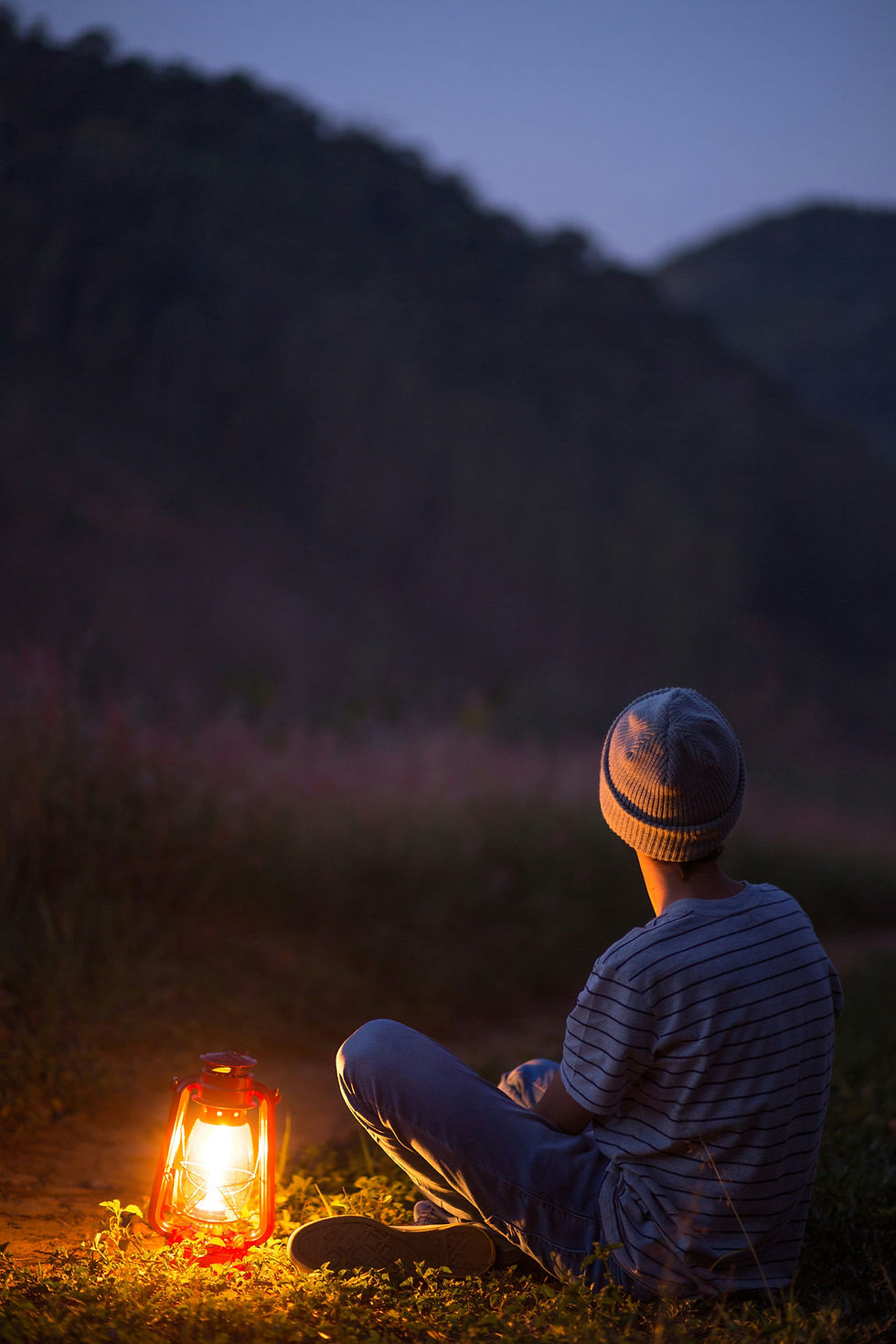
Transportability – portable lanterns can offer significant practical advantages by allowing you to adapt your lighting setup as needed. Their flexibility means you can illuminate different areas without being restricted to a fixed lighting plan.
Installation Tips and Techniques
While some homeowners choose to hire professionals, many outdoor lighting projects can be tackled as DIY endeavors. Here are some tips for successful installation:
Test Before Final Placement - temporarily position fixtures and test at night to ensure the desired effect before permanently installing them.
Follow Manufacturer Instructions - each fixture will have specific installation requirements and safety guidelines.
Bury Wires Properly – check your local requirements for burying any wiring, including low-voltage wiring. Expect to be required to bury wires (in PVC pipe) at least six inches deep. Call 811 Before You Dig so you dig safely.
Use Weatherproof Connections – seal all wiring connections with waterproof connectors for safety reasons and to prevent corrosion.
Consider Smart Controls - install Wi-Fi-enabled transformers and smart bulbs for remote control and automation.
Energy Efficiency and Sustainability
Modern landscape lighting is designed for energy savings and sustainability, featuring LED bulbs that reduce consumption by up to 80% and have longer lifespans.
Solar fixtures are ideal where wiring is not possible, and automated controls such as timers and motion sensors limit unnecessary use.
Options that comply with dark sky standards help minimize light pollution and protect nighttime wildlife. To avoid common mistakes, it is important not to overlight spaces, perform regular maintenance, position lights correctly, adhere to safety codes, and use smart controls to prevent energy waste.
Popular Trends in Landscape Lighting
Landscape lighting continues to evolve with technology and changing tastes. Current trends include:
Smart Lighting: Integration with home automation systems allows for customized lighting scenes, remote control, and scheduling.
Color-Changing LEDs: Programmable lights enable dynamic color displays for holidays and special occasions.
Minimalist Fixtures: Sleek, understated designs blend seamlessly into the landscape, providing light without drawing attention to the fixture itself.
Eco-Friendly Materials: Fixtures made from recycled or sustainably sourced materials are increasingly popular.
Artistic Placement: Creative arrangements add a unique touch.

DIY vs. Professional Installation
Deciding whether to install lighting yourself or hire a professional depends on project complexity, budget, and your own comfort level:
DIY: Suitable for small projects, low-voltage systems, and solar lights. Many kits are designed for easy installation, and twinkle lights can be as easy as winding a string of them around a handrail or pillar.
Professional: Recommended for larger properties, complex designs, or when line-voltage wiring is required. Professionals bring expertise in design, electrical work, and code compliance.
Maintaining Your Landscape Lighting
If you cannot get to your lights to maintain them without the use of a cherry picker, scaffolding, or extension ladders, consider relocating or removing them. Proper maintenance ensures your outdoor lighting remains effective and attractive. If doing so is complicated or expensive, the chances of the lighting working when needed are significantly reduced.
For effective upkeep, install fixtures in accessible spots. Maintenance involves clearing debris from fixtures, replacing and/or upgrading bulbs, inspecting and repairing wiring, and adjusting fixture placement as your landscape evolves. Consistent care ensures your lighting remains efficient and dependable.
Budgeting for Landscape Lighting
Costs for outdoor lighting vary widely depending on fixture quality, system complexity, and installation method:
Basic DIY Systems: Kits start at under $100 for small gardens.
Mid-Range: Professionally installed low-voltage systems can cost several hundred dollars for one or two essential lights to a few thousand dollars for basic designs.
High-End: Complex designs with numerous fixtures, automation, and specialty lighting can reach $10,000 and go up from there!
Remember to factor in ongoing costs for electricity (much lower with LEDs), replacement bulbs, and maintenance.
Frequently Asked Questions
Can I install outdoor lighting myself? Many low-voltage and solar systems are designed for DIY installation. However, for complex systems, hiring a professional is recommended, and an electrician will probably be necessary for any project involving line voltage.
How long do LED landscape lights last? LED bulbs can last 25,000 to 50,000 hours, which equates to several years of regular use, making them a cost-effective choice.
Will landscape lighting increase my energy bill? There will be an increase, but LED fixtures use very little energy, and none at all for solar lights. Automated controls further reduce costs by ensuring lights are only on when needed.
Is outdoor lighting safe for pets and wildlife? Choose fixtures that direct light downward and minimize glare. Dark sky-compliant lights help protect plants, pollinators, birds, and nocturnal animals as well as reduce light pollution.
Do I need permits for outdoor lighting? Check local codes and regulations. Some areas require permits or inspections for electrical work, especially for line-voltage systems. Where applicable, check your neighborhood’s covenants and HOA requirements regarding outdoor lighting improvements.
Conclusion: Transform Your Nights with Landscape Lighting
Outdoor lighting is a powerful tool for enhancing the beauty, safety, and functionality of your property. With careful planning, thoughtful design, and modern technology, you can create a stunning nighttime environment that welcomes family and friends, deters unwanted visitors, and makes the most of your outdoor spaces all year long. It can also add significant value to your property.
Whether you are illuminating a small garden path or orchestrating a dramatic lighting display for a sprawling estate, landscape lighting is an investment that pays dividends in enjoyment, curb appeal, and peace of mind.

Further Resources
U.S. Department of Energy – https://www.energy.gov/energysaver/outdoor-solar-lighting
International Dark-Sky Association – https://darksky.org
Association of Outdoor Lighting Professionals (AOLP) - https://aolponline.org/
Illuminating Engineering Society (IES) - https://ies.org/
This Old House – Installing Landscape Lighting
HGTV – Landscape Lighting Ideas
Pinterest - Landscape Lighting Ideas

Hi, I'm Judith Paul, with a gardening style best described as “Oooo, there’s a gap over here!” My work history is equally unpredictable (possibly even quirky) and ranges from pulling eel-infested cow carcasses out of creeks to managing multi-million-dollar projects across various industries. I’m a Kiwi (referring to the iconic flightless bird of NZ, not the fruit) who has also lived in Australia. Currently, I run a licensed and inspected plant propagation nursery in North Carolina (USA) when I’m not teaching, writing, or editing.


Comments