

A Fall Harvest Without a Garden

How to make an autumn display when your “garden” is a windowsill, balcony, or kitchen table.

Sometimes, an autumn display will inspire people to pause and reflect. It may be a basket of apples and pears, a few ears of ornamental corn, a pumpkin tucked beside a pot of chrysanthemums, or a table scattered with nuts, seed heads, and late-season flowers. It suggests harvest, thankfulness, welcome, and “please come in,” even if the person making it has never owned a garden.
The good news is that you do not need a vegetable patch, a potting shed, or a heroic amount of outdoor space to create a harvest theme for your décor or a shared meal. If you have a front step, balcony, windowsill, dining table, or even an empty corner on a coffee table, you have enough room for a small harvest display. Like the weather, autumn themes are flexible like that.
Start with a harvest story

Traditional harvest displays were practical before they became decorative. People used what they gathered, stored, preserved, or saved: fruit, vegetables, grain, nuts, herbs, flowers, gourds, and berry-bearing branches. The display was a visible reminder that food had been brought in and winter preparation for the cold, dark days of winter had begun.
You can borrow that idea without pretending your apartment has a root cellar. Choose one theme: an orchard harvest, a pumpkin patch, a market basket, a woodland gathering, or a cozy drinks-and-snacks table. A clear story prevents the display from becoming a basket of random objects all shouting “autumn” in different accents.
The supermarket is your first stop

Look in the produce section of your local supermarket for apples, pears, grapes, pomegranates, cranberries, figs, squash, pumpkins, onions, garlic, and brightly colored peppers. Choose a mixture of shapes rather than buying twelve things that are all round and orange. A few knobbly roots or an unusually shaped squash can do more for a display than yet another pumpkin.
Some produce can be eaten after the display, which is handy for the budget as well as a useful defense against clutter. Keep edible items clean, dry, and away from anything treated with paint, glitter, preservatives, or craft chemicals. Decorative pumpkins and gourds are lovely, but once something has been varnished, bleached, or painted, it should be retired from the menu.
Craft shops can provide the supporting cast

A craft shop can supply baskets, wooden trays, paper leaves, ribbon, raffia, candles, small signs, faux berries, frames for wreaths and decorative corn. Use these as accents rather than allowing them to take over. If every item is shiny, glittered, and shouting, the display starts to look like autumn has been trapped inside a gift shop.
Natural textures do most of the work: woven baskets, terracotta, wood, linen, burlap, brown paper, and stone-colored pottery. Add one or two manufactured pieces for contrast, such as a painted sign or a bright ribbon. The eye enjoys a little punctuation.
Garden centers still have plenty to offer

Even without a garden, you can shop a garden center for small chrysanthemums, ornamental cabbage and kale, pansies, heather, trailing ivy, sedges, dried grasses, and mini pumpkins. Place a living plant in a weatherproof pot near an entrance or on a balcony, then surround it with weather-proof items that will complete the picture.
A small ornamental cabbage can become the centerpiece of a shallow bowl. A pot of mums can soften a stack of pumpkins. A trailing ivy can spill over the edge of a basket and make the whole thing look as though it has been there longer than twenty minutes. This is one of the great tricks of container display: let one plant provide movement while the harvest items provide weight and color.
The Fall Trifecta – combining the supermarket, craft shop, and garden center
For a balanced display, combine three kinds of material: something edible, something living or botanical, and something structural. Edible might be apples, squash, corn, nuts, or pears. Botanical might be mums, kale, dried flowers, seed heads, eucalyptus, or herbs. Structural might be a basket, tray, crate, pot, or wooden board.
Then work in three layers. Put the largest item at the back or center, add medium-sized pieces around it, and finish with small details that fill gaps, like nuts. Vary the height with a box, overturned pot, or box covered with a cloth. Keep it simple; you are building a tiny landscape, not stocking a produce aisle.
A few apartment-friendly ideas

Windowsill orchard: a shallow bowl of apples and pears with a small pot of ivy or a dried branch behind it.
Balcony harvest corner: one container mum, two weather-proof pumpkins, and faux ornamental corn, grasses, and flowers in a basket.
Kitchen-table supper display: bread, nuts, grapes, a small vase of chrysanthemums, with a handwritten “thankful” card.
Tiny entryway welcome: a lantern, one textured gourd, a vase with seasonal flowers, and a bundle of dried grasses or sage.
Coffee-table woodland: pinecones, acorns, seed heads, faux berries, and one small pumpkin arranged on a wooden tray.
Fall entertaining
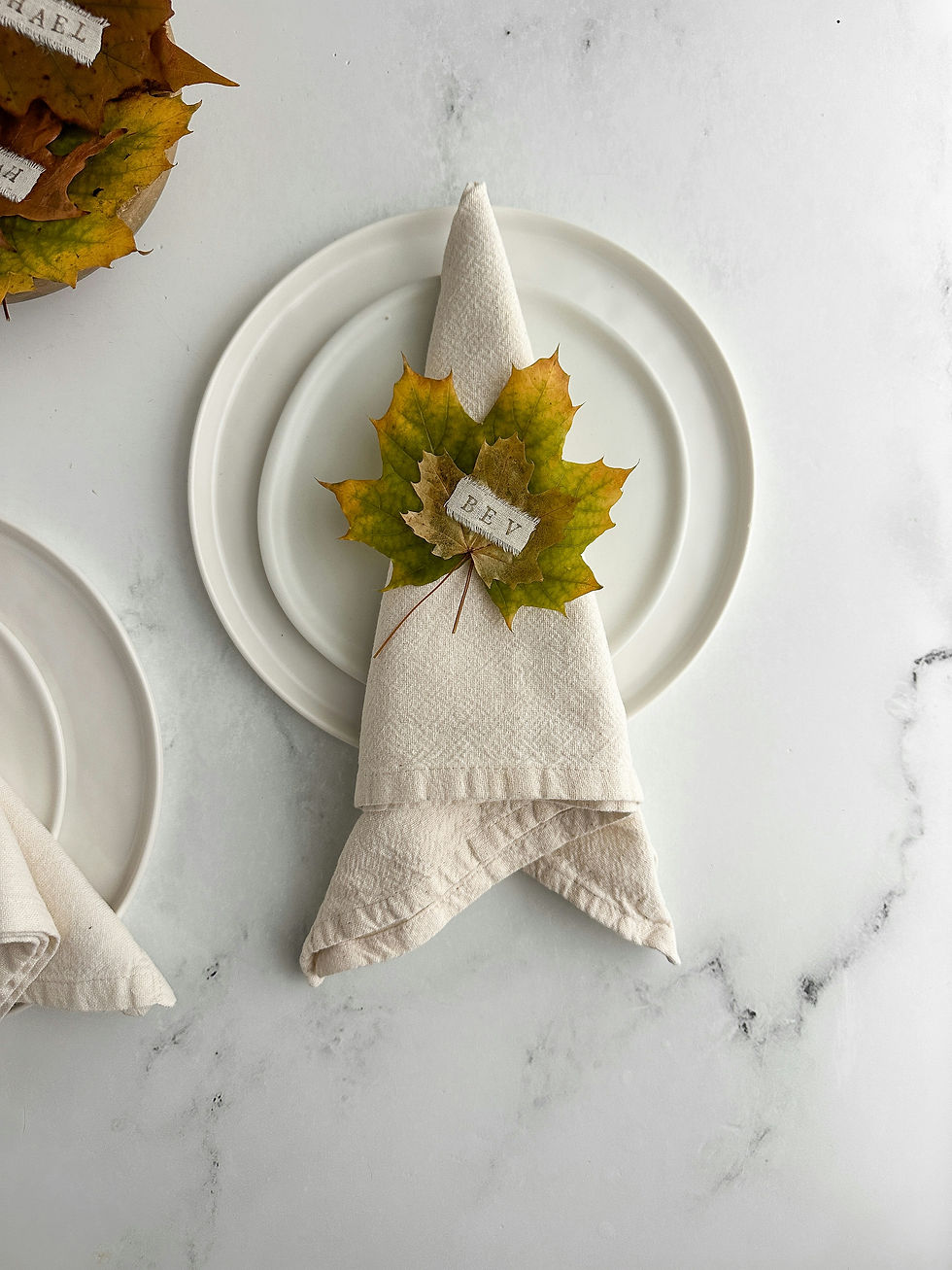
If you are entertaining during fall, a menu in keeping with the season might include items that suggest storage and preservation: a jar of jam, pickles, onions, garlic, a loaf of rustic bread to go with pumpkin soup, or a basket of apples. If you want it to feel more elegant, reduce the number of items and repeat a few colors. Either way, the harvest theme comes from the combination of abundance, seasonality, and welcome, not from buying every pumpkin-shaped object in the building.
Other useful additions include dried apricots, dates, figs, spiced nuts, pumpkin seeds, sunflower seeds, pretzels, honey, chutney, apple butter, cranberry relish, dark chocolate, and small jars of mustard. For drinks, offer cider, sparkling apple juice, mulled wine, or a warm coffee drink with cinnamon. Put the ingredients in small bowls, wooden boards, or repurposed jars, and let guests assemble their own plates.
The deli department is where the gathering starts to feel like an occasion. Look for olives, marinated vegetables, roasted peppers, hummus, tapenade, sliced meats, pâté, prepared salads, artisan breads, and small savory pastries. A wedge of sharp cheddar, a soft-ripened cheese, or a crumbly goat cheese can serve as both food and visual punctuation. Autumn is not the season for beige on beige unless it is a very deliberate biscuit arrangement.
Start with a board, platter, or shallow basket and build around a few strong autumn colors. Green and purple grapes, red apples, pears, figs, pomegranates, cranberries, and slices of late-season melon bring natural color and easy finger food. Add olives, cheese, nuts, and crackers, then tuck in a few herbs such as rosemary, sage, or thyme for fragrance and a garden-like touch.
A fall gathering does not need a farm table groaning under the weight of produce. Your local supermarket can provide nearly everything needed for a harvest-themed spread, especially if you visit both the produce and deli departments. The result can be beautiful, generous, and entirely edible, which is a refreshing change from décor that merely sits there looking decorative.
Borrow, buy, and gather responsibly

If you need to gather materials such as branches, leaves, cones, or seed heads, ask permission. Do not strip public plantings, parks, nature preserves, or a neighbor’s shrub because it looks “basically abandoned.” That is how a decorative project can turn into an unfortunate incident with a homeowner, property management, or the police.
For apartment living, also consider the practical details: protect surfaces from moisture, shedding, or seepage. Keep burnable items away from candles, avoid blocking exits, and do not overload a balcony railing. A beautiful display should not require a structural engineer or an emergency phone call.
Big hint – for items that may shed worse than your aunt’s cat, a light spray with a florist’s fixative can solve that problem. At a pinch, hairspray will also stop your bulrush and seed heads from liberating themselves all over your apartment.
The point is participation

A harvest display is not a competition for the largest pumpkin or the most expensive centerpiece. It is a way of noticing the season and acknowledging the change from summer’s busy-ness to winter hibernation. Even without a garden of your own, the spirit and essence of the season can still be woven into the fabric of your own home.
Start with what you can find. Buy some cinnamon sticks, one small squash, a bunch of dried flowers, and a basket. Add a mug of something. Put it where you will see it. That is enough to make a harvest, even when your garden is technically zero square feet, and your only gardening tool is a credit card.
Quick shopping list
One container or basket
Two or three fruits or vegetables in contrasting shapes
One seasonal plant or bunch of flowers
One dried or structural element
One small light, sign, ribbon, or natural accent
A tray or cloth to protect the surface

Judith Paul is the owner of Misty Trail Plants, a licensed and inspected plant propagation nursery in North Carolina. Originally from New Zealand and now living in the USA, Judith brings a practical, curious, and occasionally unconventional approach to gardening, shaped by years of growing plants, occasionally creating problems, solving them, teaching, writing, and learning what happens when nature refuses to follow the plan. Her gardening reflections are grounded in real experience, including experimentation, humor, and the occasional beautifully useful mistake.


Comments