

Fall Flowers That Keep the Garden Glowing

When summer’s color begins to fade, fall-blooming plants bring the garden back to life. Many of the best choices are native to the United States and naturally adapted to a wide range of growing conditions. They can turn a tired summer garden into a showstopping fall display—pleasing homeowners, pollinators, and wildlife alike. Choose plants with overlapping bloom times, and the garden can stay colorful from spring until the first hard frost.

Goldenrod
Often blamed for ragweed’s mischief, goldenrods in the genus Solidago produce airy plumes or arching sprays of brilliant yellow flowers from late summer into fall. Their showy blooms are among autumn’s richest sources of nectar and pollen, attracting native bees, butterflies, moths, beetles, and beneficial wasps. Goldenrod pollen is carried mainly by insects; ragweed releases the airborne pollen that causes most seasonal misery.

Native Asters
Native asters, including smooth aster, aromatic aster, and New England aster, cover themselves in blue, purple, pink, or white daisylike blooms. Their cool colors pair beautifully with goldenrod, while their yellow centers make excellent landing pads for insects. Blooming late into the season, asters provide crucial fuel for migrating monarchs and nourishment for bees and other pollinators preparing for winter. Leave a few seed heads standing for birds and winter texture.

Joe-Pye Weed
For height and drama, few perennials rival native Joe-Pye weed (Eutrochium). Large, dusty-rose flower clusters rise above bold foliage and look especially striking at the back of a border or in a rain garden. The blooms draw butterflies, bees, and other nectar seekers in impressive numbers. Most types prefer sun to light shade and soil that stays evenly moist, although compact selections work well in smaller gardens.

Ironweed
With saturated violet-purple flower clusters on strong, upright stems, native ironweed (Vernonia) adds a vivid exclamation point to the autumn border. It thrives in sunny meadow-style plantings and combines well with goldenrod and ornamental grasses. Its nectar supports butterflies and many native bees, and the sturdy stems add structure long after flowering ends.
Mexican Sunflower
Mexican sunflower (Tithonia rotundifolia) is native to Mexico and Central America and revels in hot, humid summers. A frost-tender perennial in the warmest climates, it is grown as an annual in most of the United States and may return from seed where conditions suit it.
Its velvety foliage and vivid orange to red-orange daisylike flowers create a bold display from midsummer until the first hard frost. This fast grower can shoot from seedling to 3 feet—and sometimes 6 feet—before you have finished wondering where to put it, making it a cheerful choice for the back of a border or a seasonal screen. Give it full sun and well-drained soil; overly rich ground can produce floppy stems and more leaves than flowers. Its nectar- and pollen-rich blooms attract butterflies and bees; hummingbirds may also visit, and goldfinches may enjoy the seeds later in the season.

Autumn Phlox
Native garden phlox (Phlox paniculata) begins in summer, but many selections continue into early fall. Fragrant flower heads in white, pink, lavender, or magenta bring a lush cottage-garden look. Each small floret has a long, narrow floral tube that holds nectar at its base, attracting butterflies, hummingbirds, and long-tongued bees. Provide moist, well-drained soil and good air circulation. Mildew-resistant selections such as ‘Jeana’ are especially useful in humid regions.

Japanese Anemone
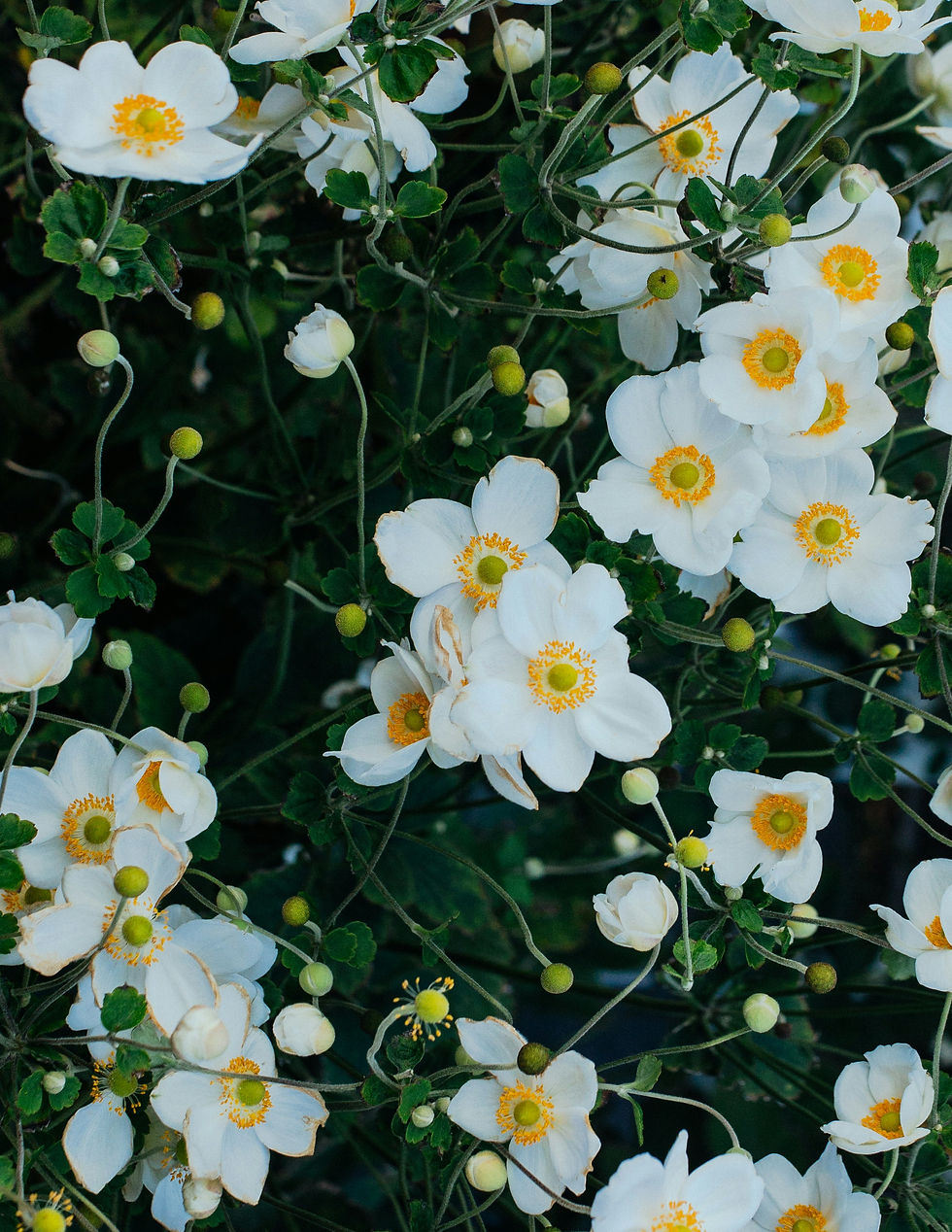
Although not native to the United States, Japanese anemone earns a place in many fall gardens for its graceful branching stems and simple pink or white flowers. It brightens partial shade, where late-season color can be scarce, and its open blooms attract bees. Give it rich, well-drained soil and room to spread. Check local guidance before planting, because it can become a little too comfortable in favorable conditions.
Montauk Daisy
The Montauk daisy, also called Nippon daisy (Nipponanthemum nipponicum), is native to coastal Japan but has naturalized along parts of the northeastern U.S. coast, including New York and New Jersey. Its glossy, substantial foliage forms a broad, shrub-like mound topped with crisp white daisies and sunny yellow centers late in the season—rather like summer returning for an encore. The open flower centers offer nectar and pollen to bees and other visiting insects when fewer plants remain in bloom. Give it full sun, excellent drainage, and enough room to spread its elbows.

Garden Mums
Hardy garden mums are perennial chrysanthemums selected to overwinter, return for years, and form spreading mounds covered with flowers from late summer through to the first hard frost. They belong to the same broad hybrid group as the tightly rounded porch mums stacked outside supermarkets and garden centers each fall, but the cultivars and production methods differ. Charm and cushion mums are grown for fast, uniform shape and container color. Although some may survive in the ground, they are often sold too late in the season to get established before winter. For a lasting garden plant, choose a cultivar labeled “hardy” or “garden mum,” and plant it in a full sun location with good drainage. The icing on the cake is a single or semidouble bloom with a visible center, which gives bees and other late-season pollinators easier access to nectar and pollen.

Make Fall Flowers Work Harder
For the strongest display, plant several of the same cultivar together—three, five, or seven plants usually work well—rather than scattering single specimens around the garden like botanical “onesies.” A lone plant can disappear visually, while a generous cluster reads as intentional and gives pollinators a much easier target to find.
The exception is a perennial that will grow into a substantial clump. Give that future star enough elbow room to reach its mature size. If the temporary gaps bother you, tuck in annuals until the perennial fills out.
Match each plant to the site’s autumn sunlight and moisture. If a bed is dry just when everyone is ready to retire the garden hose, choose plants that can cope without diligent watering. Avoid pesticides on or near blooms; hummingbirds may be fueling up for migration, while many insects are gathering resources to survive the colder months. Leave some stems for shelter and seed heads for food until spring. A tapestry of goldenrod, asters, ironweed, and a few other supporting acts will bring color, movement, and life to the garden just when it needs them most.


Hi, I'm Judith Paul, with a gardening style best described as “Oooo, there’s a gap over here!” My work history is equally unpredictable (possibly even quirky) and ranges from pulling eel-infested cow carcasses out of creeks to managing multi-million-dollar projects across various industries. I’m a Kiwi (referring to the iconic flightless bird of NZ, not the fruit) who has also lived in Australia. Currently, I run a licensed and inspected plant propagation nursery in North Carolina (USA) when I’m not teaching, writing, or editing.


Comments