

How to Keep Hanging Baskets Alive While You’re on Summer Vacation

Hanging baskets are gorgeous, but in July they can go from being a flower factory to a dried arrangement with alarming speed. This is because the baskets hold very little potting mix, aren’t situated where rain is likely to fall, and are located where a strong breeze can dry it like laundry on a washing line. In short, they’re a disaster waiting to happen if you head off on a summer vacation without a plan for them, too.
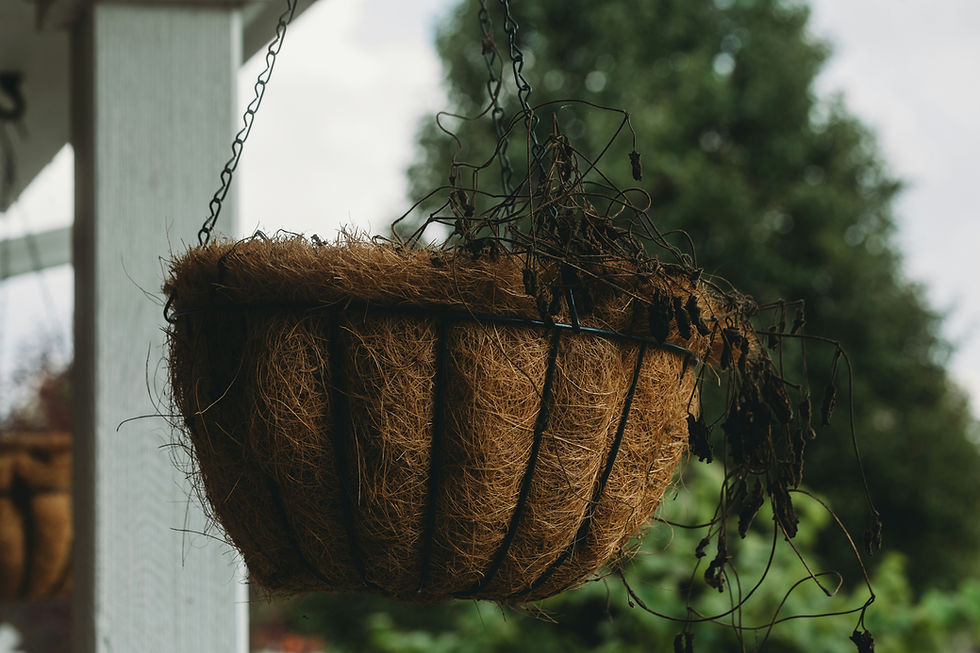
Start with the easy win: water thoroughly before you leave. Water slowly until it runs out of the bottom, then let the basket drain. If the potting mix has become very dry and water runs straight through like it is late for a flight, soak the basket in a tub, trug, or large bucket for 20–30 minutes so the potting mix can rehydrate properly.
Next, move the baskets somewhere kinder. A bright but shady spot, morning sun only, or a sheltered porch can buy you valuable time. Full afternoon sun plus hot wind is basically a plant air fryer. If your lawn sprinklers run automatically, consider temporarily moving baskets where they will get watered along with the lawn but not so close they’ll get bashed to death by a percussion sprinkler.

For a short trip, a “soaker bath” can help. Take the basket down, remove the saucer (if it has one), water it well, and sit it in a shallow tray, kiddie pool, or tub with a small amount of water in the bottom. Do not drown it for days in deep water — most basket plants like moisture, not a swamp-themed spa retreat. At a pinch, using the bath (yep, the one in your bathroom!) works well, especially for house plants. Tub watering (of whatever type) for containers with plants that do not mind evenly moist roots.

If you have a house sitter, neighbor, or pet sitter, ask whether plant watering can be part of the deal. Some pet sitters will happily water plants too, especially if you make it easy: group baskets together, leave a filled watering can or hose nearby, and write simple instructions. “Water until it drips from the bottom” is clearer than “just give them a vibe-based drink”.

For longer trips, an automatic dripper or small drip-irrigation kit with a timer is the most reliable option. Set it up before you leave and test it for a few days so you can check the drippers are secure and the timer is set for just the right amount, which is midway between drowning and drought. If using a reservoir instead of a tap, it also gives you a chance to see whether it has sufficient capacity for the length of time you’ll be away. These work similarly to a patient on an IV drip, and years ago, a friend of mine with access to the equipment literally set up a drip for her houseplants when she went away for extended periods of time.

A DIY bottle dripper can help in a pinch. Fill a plastic bottle, make one or two tiny holes in the cap, and push it upside down into the potting mix. Test it first: some bottles empty in five minutes, while others are so miserly the plants will still perish. Commercial watering spikes or terracotta cones are prettier versions of the same idea but don’t always have the capacity needed for a week-long vacation.
Hiring help may seem like an unnecessary expense if you have a front porch that looks less like “two pots” and more like a botanical garden. A professional plant-care or garden maintenance service that offers watering or plant-sitting services might be a wise investment if you have many high-value plants, whether in a basket, the garden, or scattered around your home.

Plant choice matters too. If you travel often, choose baskets that forgive the occasional dry spell. Portulaca, purslane, trailing lantana, ivy-leaf geraniums, sedum, succulents, cacti, and some verbenas cope better with short dry periods than thirstier choices such as fuchsias, lobelia, impatiens, and many fern baskets. Drought-tolerant does not mean “abandoned indefinitely,” but it does mean they are less likely to faint dramatically between Friday night and Tuesday morning.

Final tasks before you head off: deadhead spent blooms, trim back straggly growth, remove any crispy bits, and water thoroughly. Remember that temporarily relocating baskets out of the worst of the wind and sun may be sufficient for a few days, but more than that and they will need a watering plan that matches the length of your trip. Then go enjoy your vacation! Your baskets may still gossip about you while you are gone, but at least they should be alive when you get back.
Article by Judith Paul

Hi, I'm Judith Paul, with a gardening style best described as “Oooo, there’s a gap over here!” My work history is equally unpredictable (possibly even quirky) and ranges from pulling eel-infested cow carcasses out of creeks to managing multi-million-dollar projects across various industries. I’m a Kiwi (referring to the iconic flightless bird of NZ, not the fruit) who has also lived in Australia. Currently, I run a licensed and inspected plant propagation nursery in North Carolina (USA) when I’m not teaching, writing, or editing.


Comments