

Potting Mixes for Hanging Baskets

Most ready-made hanging baskets are planted in a lightweight nursery mix based on peat moss and perlite, and for many plants, that combination works well. Peat moss holds water surprisingly well for its weight, while perlite creates air pockets that help oxygen reach the roots and excess moisture drain away. Together, they create a fluffy, easy-to-handle growing medium suited to many basket favorites, including petunias, calibrachoa, bacopa, lobelia, and ivy geraniums.

Even so, a standard peat-and-perlite mix is only a starting point, not a complete solution. It provides structure, moisture retention, and aeration, but very little lasting nutrition. In baskets filled with thirsty annuals and watered often, nutrients are quickly taken up or washed out through the drainage holes. For that reason, the growing medium should be enriched from the outset and refreshed regularly throughout the season.
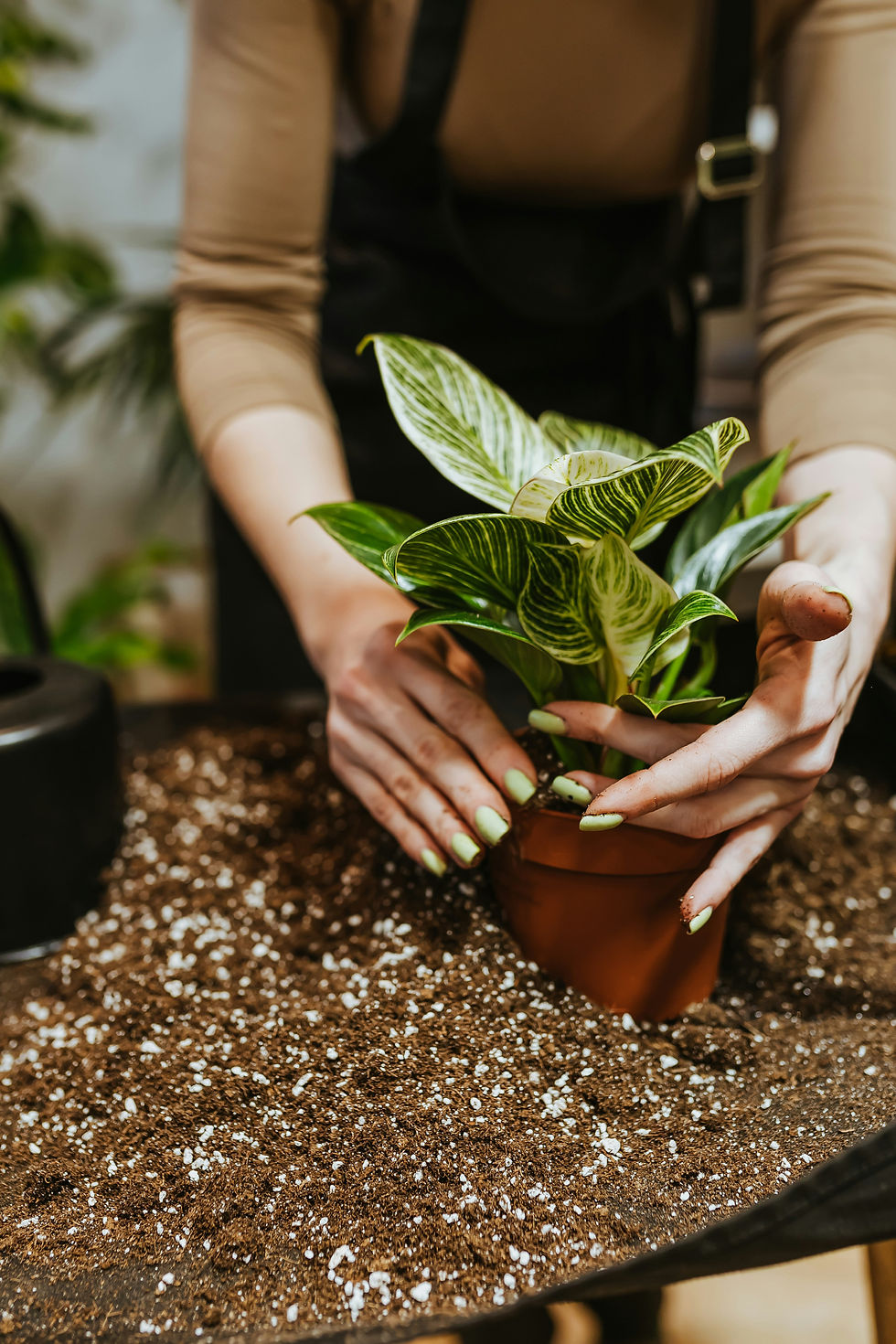
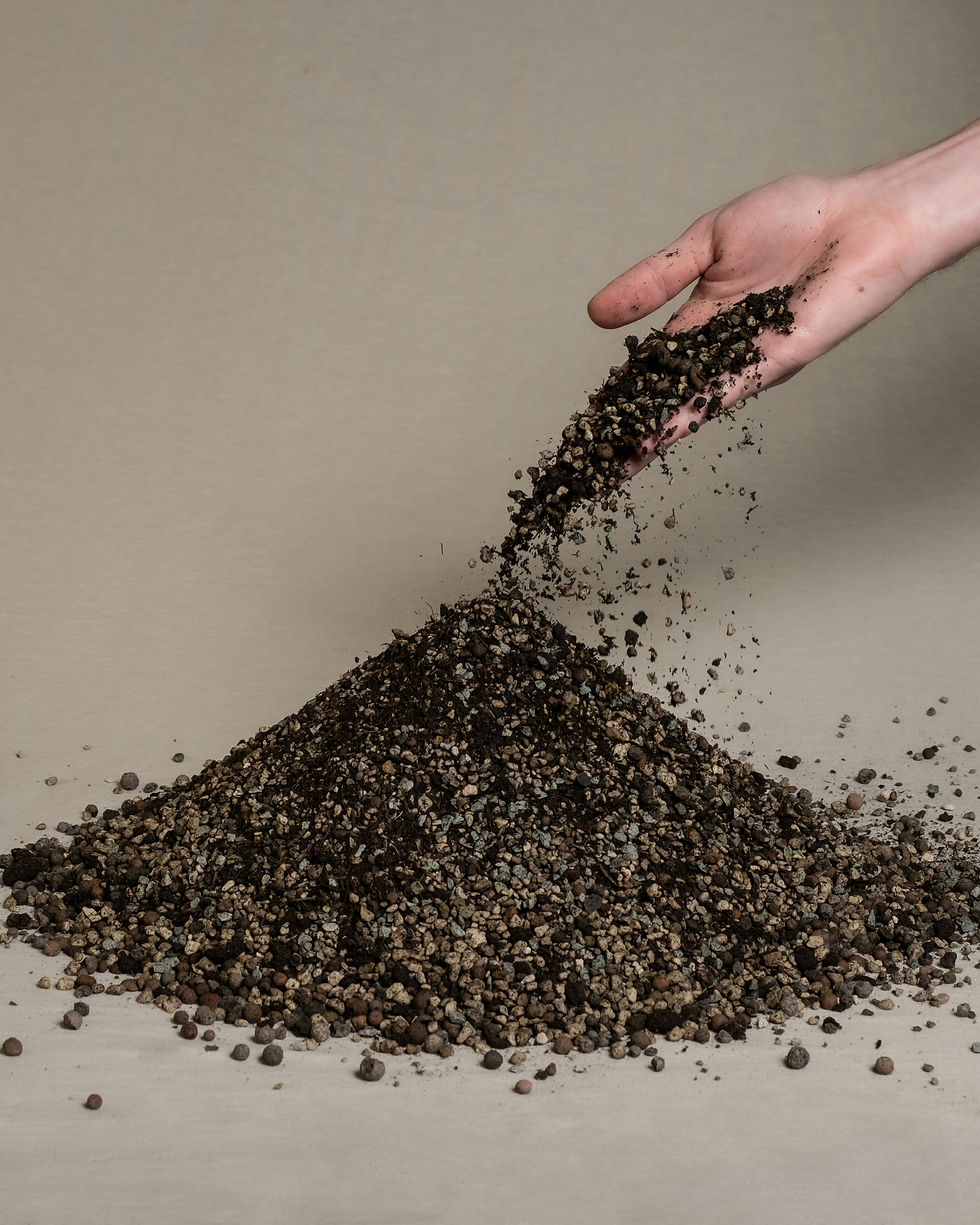
If you want to make your own mix—or improve a basic one—a few additional ingredients can make a noticeable difference. Compost adds mild nutrition, beneficial biology, and a more forgiving texture. Vermiculite helps hold water and dissolved nutrients a little longer, which is useful in baskets that dry quickly. Pine fines, which are small particles of composted pine bark, improve structure and drainage while helping the mix resist compaction over time. Together, these ingredients create a more durable basket mix that performs better over a full growing season rather than just during a short nursery display.

Not every hanging basket plant, however, wants the same root environment. Some of the more unusual choices need a very different mix from the standard nursery blend. Orchids, for example, are usually grown in a coarse, airy mix of bark, charcoal, and perlite because their roots need abundant airflow and should not sit in dense, wet media for long. Staghorn ferns are epiphytes and do best in very open materials such as coarse bark and sphagnum moss, often in a wire basket or mounted display rather than a conventional pot. Air plants do not use potting soil at all; they are typically mounted or tucked into a display where humidity and air circulation suit them better.

Cacti and succulents are another group that often need a different approach, but even here, the specific plant matters. Desert cacti prefer a gritty, sharply draining mix that dries quickly, usually built around coarse mineral materials and only a modest amount of organic matter.
Lady of the Night (Epiphyllum oxypetalum), by contrast, is often grown in hanging baskets because of its arching stems and spectacular night-blooming flowers, but it is not a desert cactus. It is an epiphytic forest cactus, sometimes called an orchid cactus, and it prefers a chunkier, more open mix that holds some moisture while still draining freely. A blend of orchid bark, perlite, and peat-based or cactus mix suits it far better than a heavy desert-cactus formula.

For a general-purpose hanging basket mix, a reliable home recipe is 40 percent peat moss or coco coir, 30 percent compost, 20 percent perlite, and 10 percent pine fines or vermiculite. The result is a medium that is light enough for baskets, absorbent enough for summer watering demands, and open enough to keep roots healthy. If you want a slightly more water-retentive version for baskets in full sun, increase the vermiculite. If your climate is humid or your baskets tend to stay wet, use pine fines instead.

For specialty plants, tailor the mix to the plant rather than expecting the plant to adapt. A simple orchid mix can be made from 60 percent medium orchid bark, 20 percent perlite, and 20 percent horticultural charcoal. A staghorn fern basket mix can use equal parts coarse bark and long-fiber sphagnum moss. A desert cactus mix can be made from 50 percent coarse grit or sharp sand, 30 percent cactus mix, and 20 percent perlite. Air plants should not be potted at all; instead, mount them or place them in an open display with good air circulation. In every case, the principle is the same: match the root zone to the plant’s natural habitat for a basket that is easier to manage and more successful over time.

Making your own potting mix is also more cost-effective than relying on pre-bagged blends, especially when you are filling multiple hanging baskets for an entire season. Because you control the ingredients, you can tailor the mix to each plant’s needs—adding extra bark for epiphytes, increasing drainage for succulents, or boosting moisture retention for thirsty annuals. You can also decide when and how much fertilizer to include, whether that means enriching the mix from the start or keeping it lean for plants that prefer less. That flexibility saves money and often produces healthier, longer-lasting baskets because the growing medium is built with intention rather than compromise.

Mixing your own hanging-basket medium is a bit like cooking—minus the calories and with much less judgment from dinner guests. You choose the ingredients, adjust the “seasoning,” and decide whether to serve it with a side of fertilizer or keep things delightfully lean. Unlike actual cooking, even your less successful experiments usually produce something green and growing rather than a smoke-alarm incident. So, instead of overthinking it, choose a recipe, mix up a batch, and enjoy the satisfaction of knowing your baskets are thriving on a custom blend made by the head chef of your garden: you.

Hi, I'm Judith Paul, with a gardening style best described as “Oooo, there’s a gap over here!” My work history is equally unpredictable (possibly even quirky) and ranges from pulling eel-infested cow carcasses out of creeks to managing multi-million-dollar projects across various industries. I’m a Kiwi (referring to the iconic flightless bird of NZ, not the fruit) who has also lived in Australia. Currently, I run a licensed and inspected plant propagation nursery in North Carolina (USA) when I’m not teaching, writing, or editing.


Comments