

When Hanging Baskets Don’t Need Hanging Hardware

Not every hanging basket needs to hang from standard hardware. Free-standing supports—such as shepherd’s-hook stands and multi-arm plant stands—offer a practical alternative for anyone who wants the look of a hanging display without drilling into porch posts, siding, fences, or cladding and then explaining the holes later.
They are especially useful for renters, temporary spaces, and gardeners who want flexibility. If the light shifts during the season, a free-standing support can be moved to a sunnier, shadier, or more sheltered spot with relatively little fuss. The only real non-negotiable is stability: the stand must be heavy enough, properly staked or weighted, and matched to the basket so it doesn’t wobble, tip, or audition for a role in garden performance art.

A large Boston fern in a sixteen-inch container can easily exceed 25 pounds after watering, and larger specimens may weigh significantly more. Add a gust of wind, and a basket like that develops enough momentum to test any support—and the nerves of anyone standing underneath it. If there’s any doubt about stability, a well-built free-standing display may be a wiser choice.

Whether indoors or outdoors, free-standing plant stands can create much the same effect as a hanging basket. The point is to raise the plant to a level where it can be appreciated. That doesn’t always require screws, chains, or a tense conversation with the ceiling. Sometimes, standing works just as well as hanging.

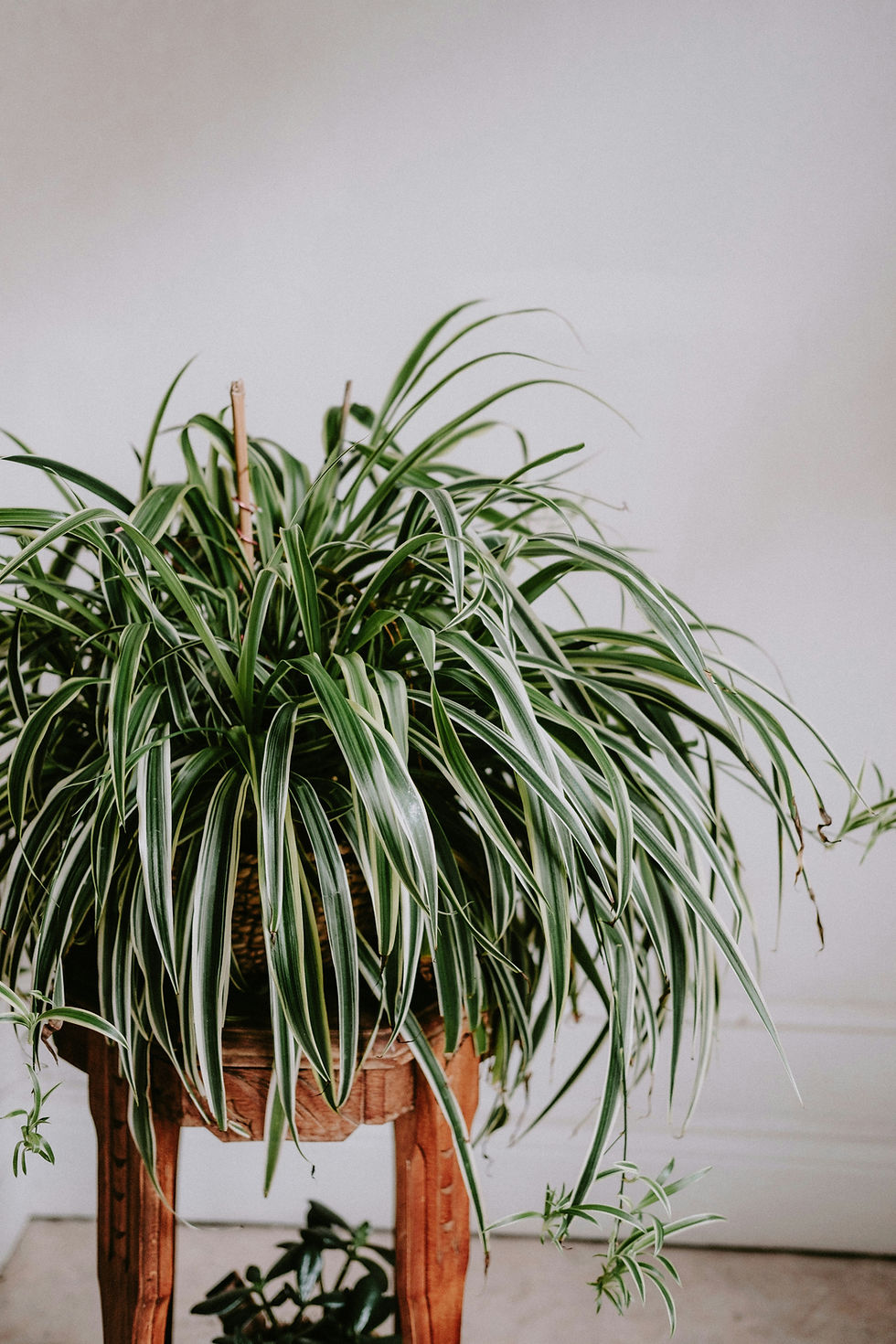
Repurposed and recycled materials can make perfectly good alternatives for displaying plants at height. Stools, end tables, and even old chairs can all be pressed into service. Hunting down bargains at op shops, yard sales, and even junk yards can be both inspirational and dangerously persuasive—particularly if you are the sort of person who says, “I’m just looking,” and returns home with a wrought-iron mystery object.
As a DIY project, a frame made from timber and hog wire—both readily available at many hardware stores—can provide a functional and attractive support for repurposed hanging containers. Its design lends itself to seasonal updates and fresh looks for holidays or special events, offering flexibility, versatility, and a pleasing return for a morning’s work.

This stand may have started life as a bed head, a baker’s rack, or something else entirely … and then refused to retire quietly. Whatever its origins, it now provides a practical and charming stand for displaying “hanging” plants without requiring them to hang at all.
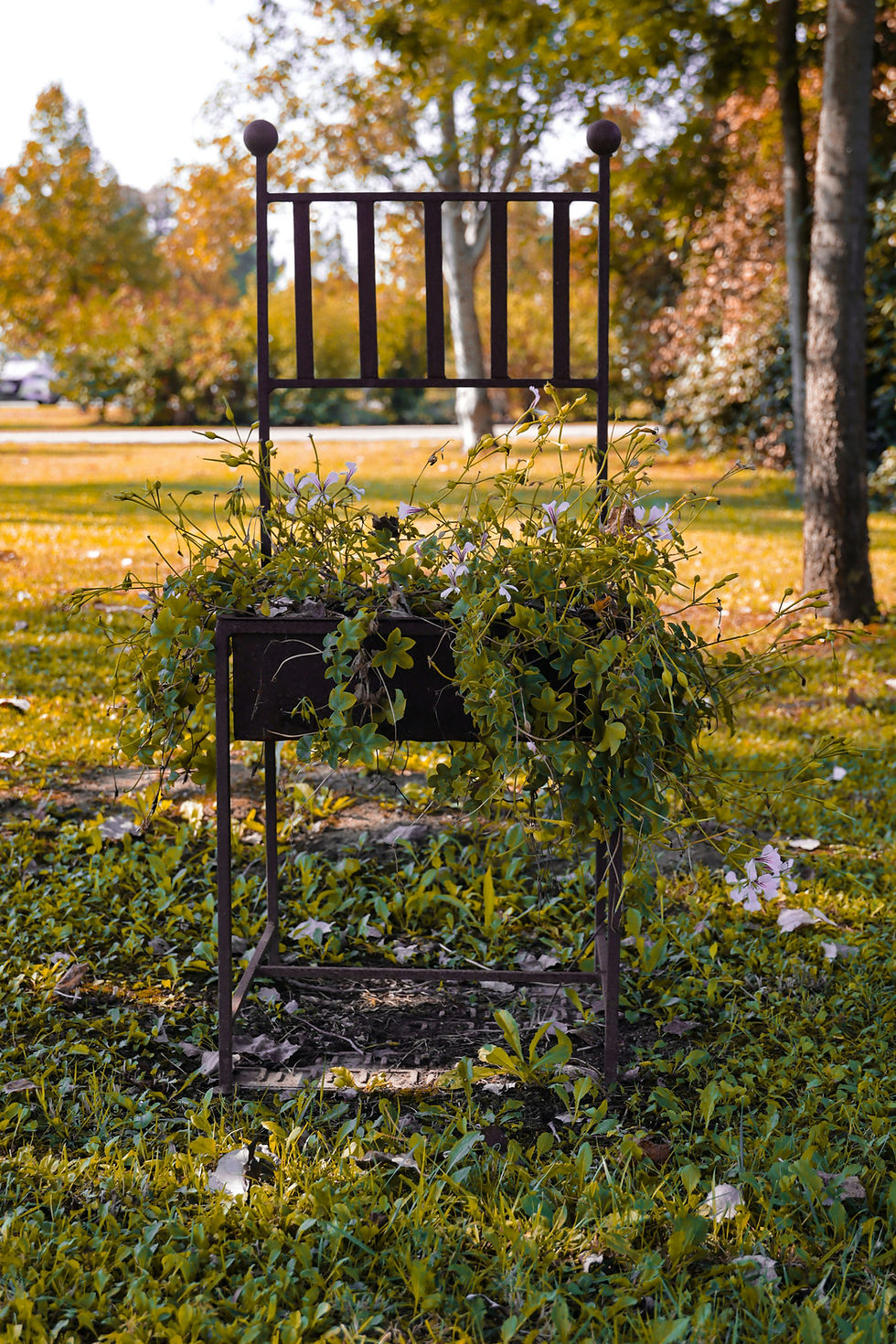
Quite possibly, there are items in the attic, under the house, stored in the shed, or lurking at the back of the garage that could be used to display plants above ground. Old stools or tables are often offered free on various social networks such as Nextdoor and Facebook. Someone else’s “trash” might be your next piece of garden treasure—and unlike some bargain finds, this one may not even need a full weekend of repairs.
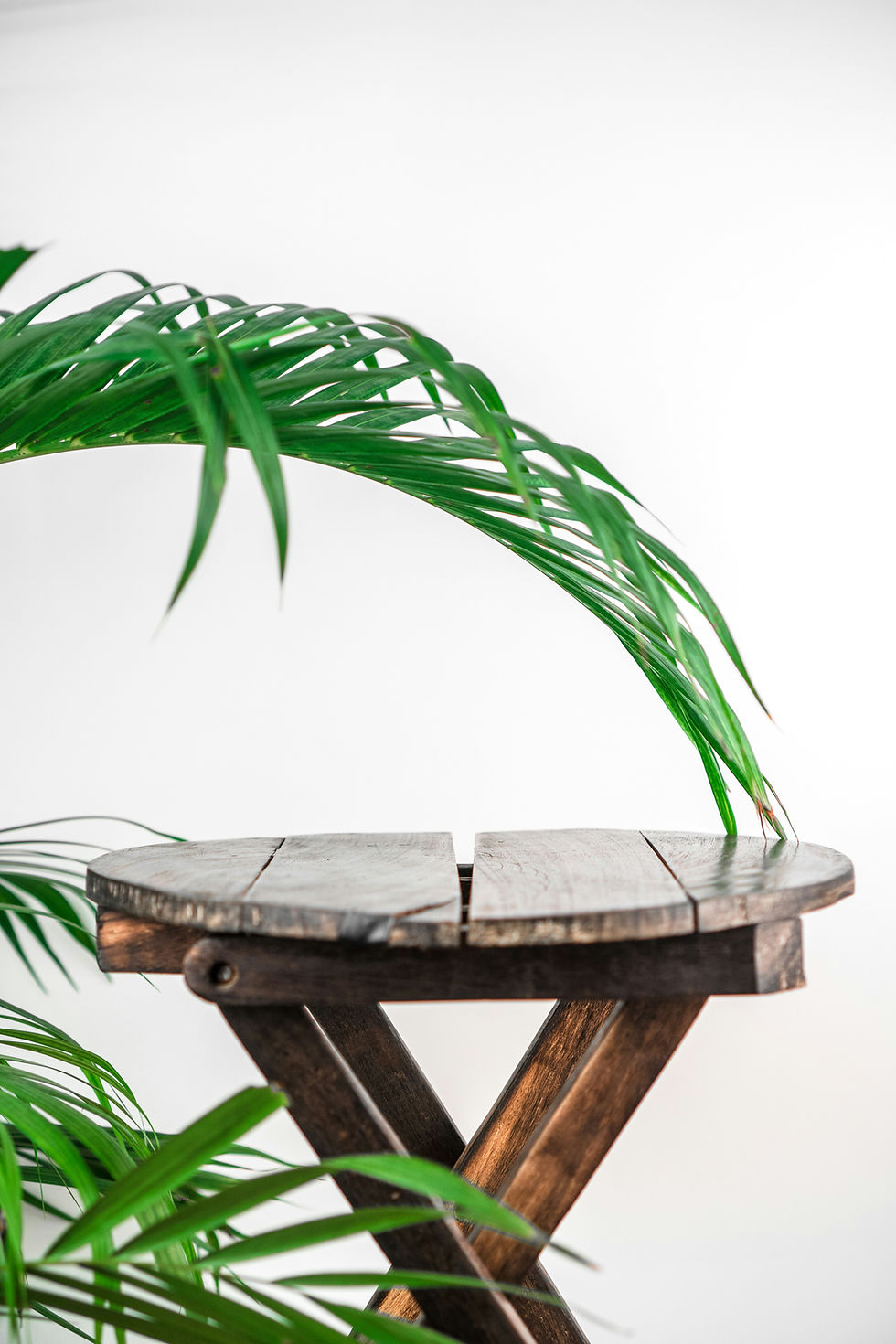
Unless you manage to pick up a pedestal for free, buying one can be a significant investment. Still, they are often worth it. There will always be a plant that looks good on a pedestal, and a well-made one can last for decades—sometimes generations. One of mine traveled by ship from Down Under to America, which is more international travel than many people can claim and certainly more than most of the plants it has supported for the last 40+ years.

Another worthwhile investment is a monster-sized urn. If you enjoy a bargain hunt, keep an eye out for these gathering dust in the back corners of landscaping supply yards, garden centers, and box stores. Even shop-soiled or slightly damaged, these imposing pieces can make a striking focal point—especially once planted up with something dramatic and suitably self-important.

Then there’s the option of using what is already present in the garden. Older homes, in particular, may have ideal spots—deliberately or accidentally—for displaying plants above ground level. These might be as obvious as the top of a brick wall where a letterbox once stood, or as mysterious as that odd metal thing rising from the porch handrail that nobody has identified in twenty years. A careful look around can reveal all sorts of possibilities.

In the end, hanging baskets—or any above-ground plant display—are less about the container than the pleasure they bring. They are small, elevated worlds that reward a bit of planning and effort with months of color, texture, and life. And if they also save your back, protect your porch, and keep a drenched fern from making a surprise descent, so much the better.

Article by Judith Paul

Hi, I'm Judith Paul, with a gardening style best described as “Oooo, there’s a gap over here!” My work history is equally unpredictable (possibly even quirky) and ranges from pulling eel-infested cow carcasses out of creeks to managing multi-million-dollar projects across various industries. I’m a Kiwi (referring to the iconic flightless bird of NZ, not the fruit) who has also lived in Australia. Currently, I run a licensed and inspected plant propagation nursery in North Carolina (USA) when I’m not teaching, writing, or editing.


Comments