

The Secret Sauce for Hanging Baskets

One of the biggest misconceptions about hanging baskets is that if the potting mix looks light, fluffy, and professional, it must also be rich in nutrients. In reality, many commercial mixes are designed more for texture than nutrition.

Peat moss and perlite are excellent at creating a root-friendly environment, but they do not provide a long-lasting pantry of nutrients. Peat helps hold moisture, perlite improves drainage and aeration, and together they make a very workable basket mix. What they do not do is feed several quick-growing annuals in a very small container for months on end. In a hanging basket that is watered frequently, whatever small starter charge of fertilizer is present is quickly used by the plants or washed away. That is why the gardener has to step in, step up, and replace what the plants are gobbling up.

Annuals are nature’s sprinters. They are designed to germinate quickly, grow fast, flower extravagantly, set seed, and finish their life cycle in a single season. That pace requires fuel. A petunia, calibrachoa, or verbena in a basket is effectively trying to perform a summer-long stage show from a very small lunchbox of potting mix. If that lunchbox is empty, the plant may survive, but it will not reach its full potential. Growth becomes thin, flowering slows, foliage pales, and the whole display looks tired long before the season is over. Unlike a pet rock, a spectacular hanging basket dripping with gorgeous plants needs both water and food. Perhaps the occasional cuddle.

For most flowering hanging baskets, the easiest feeding method is a water-soluble fertilizer applied lightly but regularly. The main advantage is speed: the nutrients are dissolved in water, so they reach the root zone quickly and can feed a hungry plant faster than granular products. That makes water-soluble fertilizer especially useful for heavy feeders such as petunias, calibrachoa, and other flowering annuals grown in warm weather.

The drawback is that water-soluble plant food does not last long in a free-draining basket because it washes through so quickly. That means it needs to be reapplied at the rate and intervals listed on the label for the type of plants you are feeding. A formula designed to support blooming can produce spectacular results once plants are established, but it should still be balanced enough to support leaves, roots, and overall vigor rather than pushing flowers at the expense of the rest of the plant.

Foliar feeding is useful, but it works best as a supplement rather than the main meal. Diluted fertilizer is sprayed onto the leaves, where small amounts can be absorbed fairly quickly. This gives plants a short-term boost, supplies trace elements, or helps a stressed plant recover. The downside is that it provides only modest nutrition, must be diluted carefully, and can scorch or spot leaves and flowers if applied too strongly or in hot sun. You can use a ready-made foliar product or a general liquid fertilizer at about one-quarter to one-half the normal soil-feeding strength, unless the label gives a specific foliar rate, in which case follow it. For example, if the root-feeding rate is 1 teaspoon per gallon, a foliar spray might be ¼ to ½ teaspoon per gallon. To apply it properly, lower the basket so you can coat the foliage evenly instead of just misting the underside of plants hanging over the edge. Foliar feeding is not a good choice for mixed baskets with fuzzy leaves, waxy succulents, delicate flowers, or plants prone to leaf spotting, because repeated wetting can mark tissues and encourage disease. Foliar feeding can help many plants, but it is not a license to turn every basket into a botanical car wash.
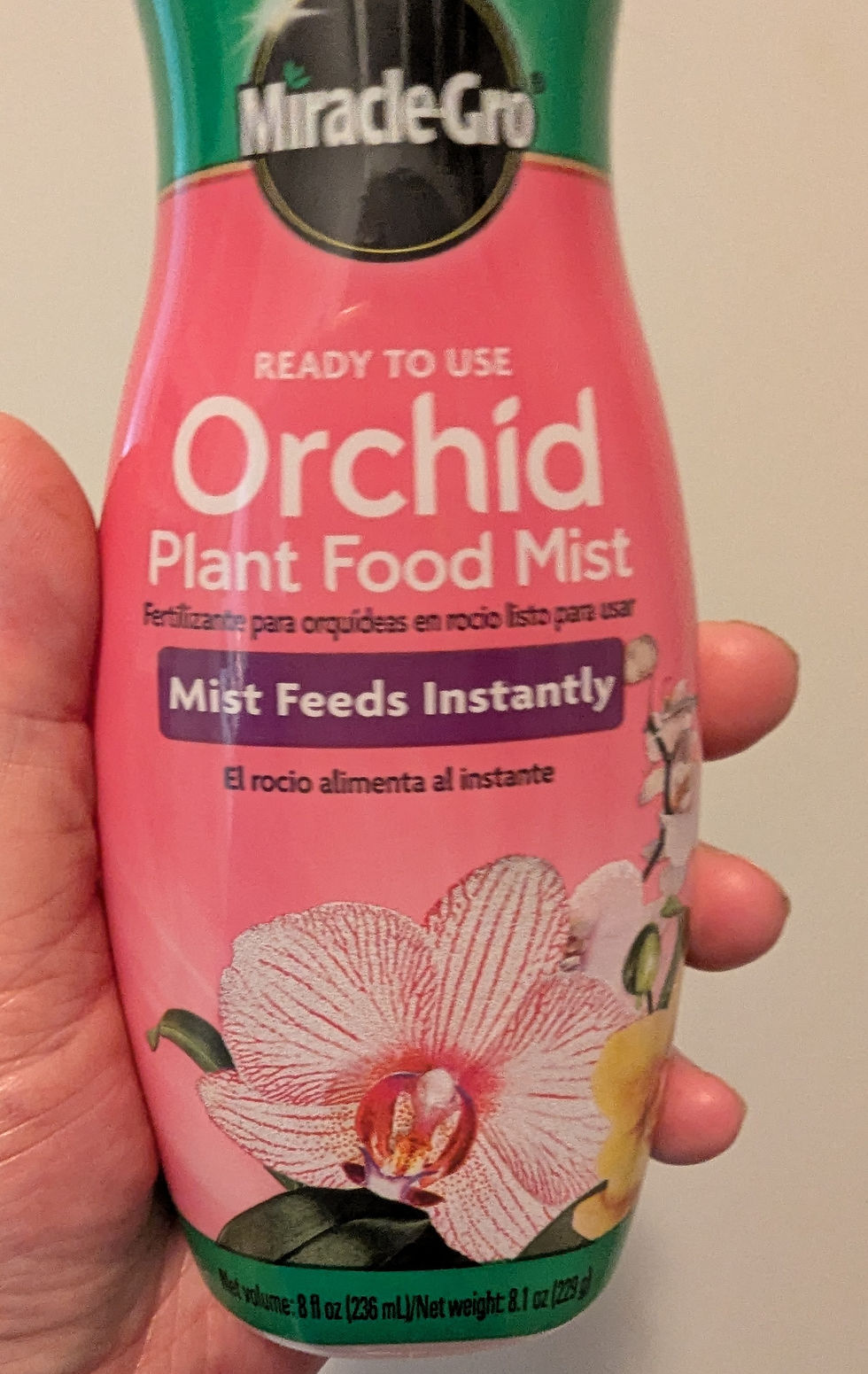
Slow-release fertilizers are another good option, especially for gardeners who do not want to use liquid fertilizers every week. Incorporated into the potting mix and/or applied as a top-dressing, this type of fertilizer releases nutrients gradually over time. Its great advantages are convenience and steadiness. Its main limitation is that it is less adjustable: if the weather turns very hot and the basket is growing fast, the plant may still need supplemental feeding, while excessive use can contribute to salt build-up in the limited root zone of a container. For that reason, many gardeners incorporate a modest slow-release fertilizer into the soil mix in conjunction with occasional light liquid feeds during peak summer growth.

Then there are plant ‘tonics’ such as seaweed and kelp extracts, fish emulsion, and similar organic liquids. These can be genuinely useful, but they do a different job from a conventional N-P-K fertilizer. Seaweed and kelp products are better thought of as biostimulants or supplements than as complete meals. They contribute trace elements and compounds that may help plants cope with stress, transplant shock, heat, or repeated flowering, but they are usually not designed to serve as the sole food source for a basket full of hungry annuals.
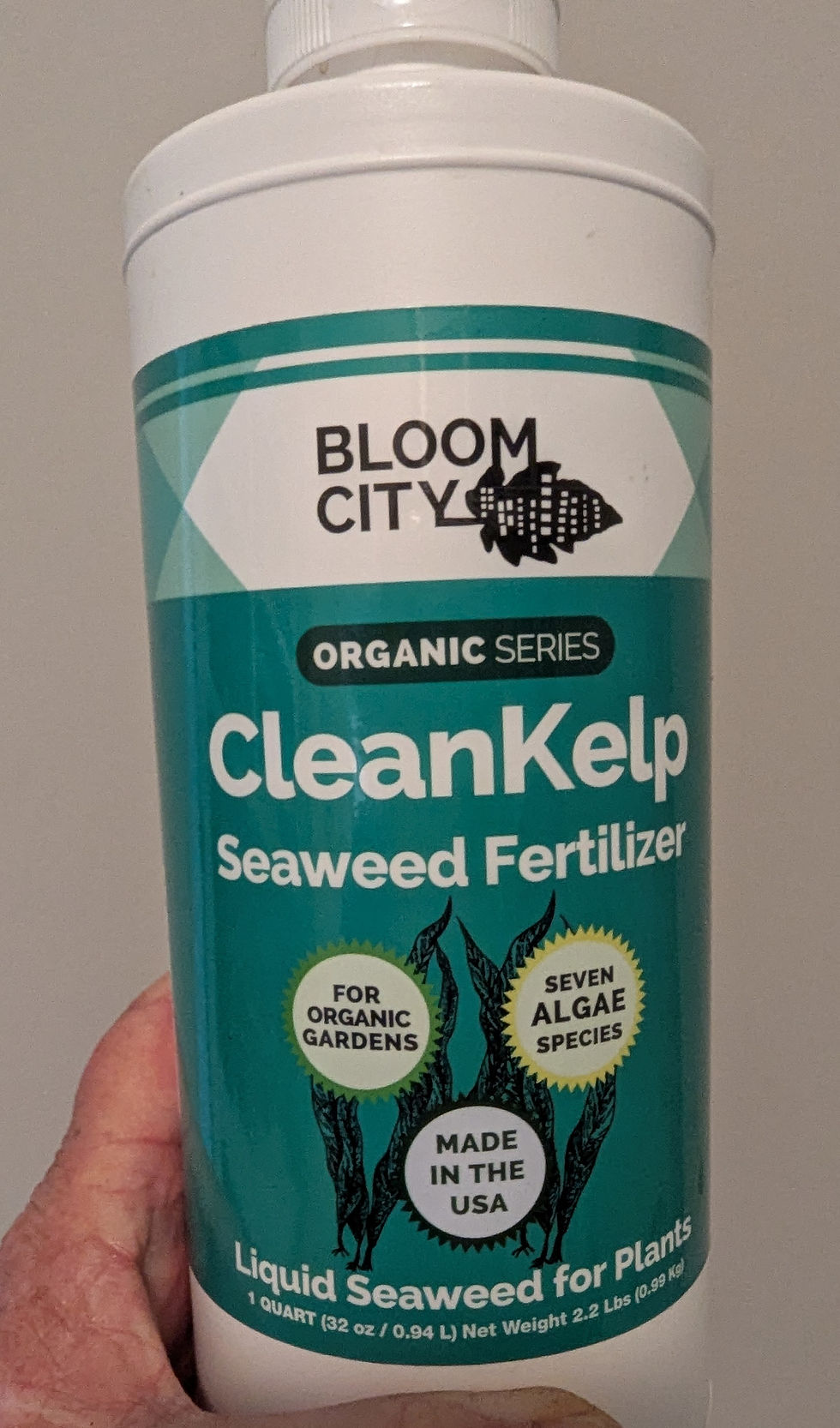
‘Tonics’ are the plant equivalent of a vitamin tablet rather than a balanced meal. Fish emulsion may supply some nitrogen and green up foliage nicely, although it is often mild and may need to be paired with different products for sustained blooming.
It also helps to understand the difference between the major nutrients and the supporting cast. The N-P-K numbers on a fertilizer label represent nitrogen, phosphorus, and potassium. Nitrogen supports leafy growth and green vigor. Phosphorus supports root development, energy transfer, and flowering. Potassium helps with strong stems, water regulation, resilience, and general plant health. In addition to those are secondary nutrients and micronutrients such as calcium, magnesium, sulfur, iron, manganese, and zinc, which are needed in smaller quantities, but they are still essential. A basket can have plenty of N-P-K and still perform poorly if key trace elements are missing. Seaweed products are valued because they provide some of these extras, but they are not a substitute for core mineral nutrition any more than vitamins are a substitute for N-P-K ‘meals’. Plants need the main building blocks as well as the supporting elements.
As a general guide, flowering hanging baskets usually respond best to a fertilizer that is either balanced (such as 10-10-10) or slightly higher in phosphorus and potassium than in nitrogen (such as 5-10-10). The temptation to feed more heavily than directed should be resisted. If you use a fertilizer with an extreme ratio—say, 50-30-30—you will probably end up with spectacularly dead plants rather than better plants.

More fertilizer does not equal more flowers. In containers, overfeeding rapidly increases soluble salts in the potting mix, and those salts interfere with the plant’s ability to take up water. The result can be scorched leaf margins, yellowing, wilted foliage, and root damage. In severe cases, plants can look drought-stressed even when the basket is well watered. In other words, a stronger mix can make a thirsty plant even thirstier.
It also pays to do the math instead of fertilizing by instinct. Labels give rates and intervals, but the actual dose should still make sense for both the kind of plant you are growing and the volume of potting mix in the container. A 12-inch hanging basket can hold roughly 4.9 gallons of mix, or about 20.7 dry quarts, if it is filled close to the top. A 6-inch container holds only about 0.73 gallon, which is about 3.1 dry quarts. Those are not remotely the same lunchbox.
A basket planted with moss rose may need even more restraint because portulaca is a flowering succulent that prefers lean conditions and can bloom less if overfed. A true succulent like portulaca in a 6-inch pot usually needs even less fertilizer because it grows more slowly and stores both water and nutrients in its tissues. In practical terms, that means measuring carefully, diluting when appropriate, and resisting the urge to give every container the same generous splash. If math is not your favorite gardening tool, a good rule of thumb is to start at half strength for small containers and light feeders, and only increase it if the plants look pale or slow after a couple of weeks. Plants do not read labels, but they do notice when the cook is heavy-handed.

If you want to build nutrition into a homemade basket mix from the outset, a practical all-purpose starting recipe is 4 parts peat moss or coco coir, 3 parts compost, 2 parts perlite, and 1 part vermiculite or pine fines. That gives a useful balance of moisture retention, drainage, air space, and slow background nutrition. For extra-long basket support, you can also add a modest amount of slow-release fertilizer according to label directions. Another option is to add a small amount of worm castings for biological activity and gentle feeding. The exact ingredients can be adjusted depending on your climate and the plants you are growing. The principles remain the same: hanging baskets do best when the potting mix is not just physically suitable, but nutritionally suitable as well.
When a potting mix contains organic material, it will also contain microorganisms. Those microbes are part of what makes compost useful: they help break down organic matter and gradually release nutrients in forms roots can absorb. Standard sterile potting mixes, by contrast, may contain little or no organic material and far less biological activity. Products such as Milorganite and other slow-release organic fertilizers fit into that same picture. Rather than behaving like a synthetic fertilizer that dissolves all at once, they provide slow-release organic nutrients that help support the microbial workforce already present in the compost.

A hanging basket is a little like a houseguest with very high standards: it wants regular drinks, decent meals, good drainage, and absolutely no chemical overindulgence. Get the balance right, and it will reward you with months of color and flamboyant curb appeal. Get it wrong, and it may collapse dramatically in midsummer like a Victorian heroine. Feed wisely, water faithfully, and remember: a basket full of flowers may not write thank-you notes, but it will let the neighbors know how well it has been treated.


Hi, I'm Judith Paul, with a gardening style best described as “Oooo, there’s a gap over here!” My work history is equally unpredictable (possibly even quirky) and ranges from pulling eel-infested cow carcasses out of creeks to managing multi-million-dollar projects across various industries. I’m a Kiwi (referring to the iconic flightless bird of NZ, not the fruit) who has also lived in Australia. Currently, I run a licensed and inspected plant propagation nursery in North Carolina (USA) when I’m not teaching, writing, or editing.


Comments